
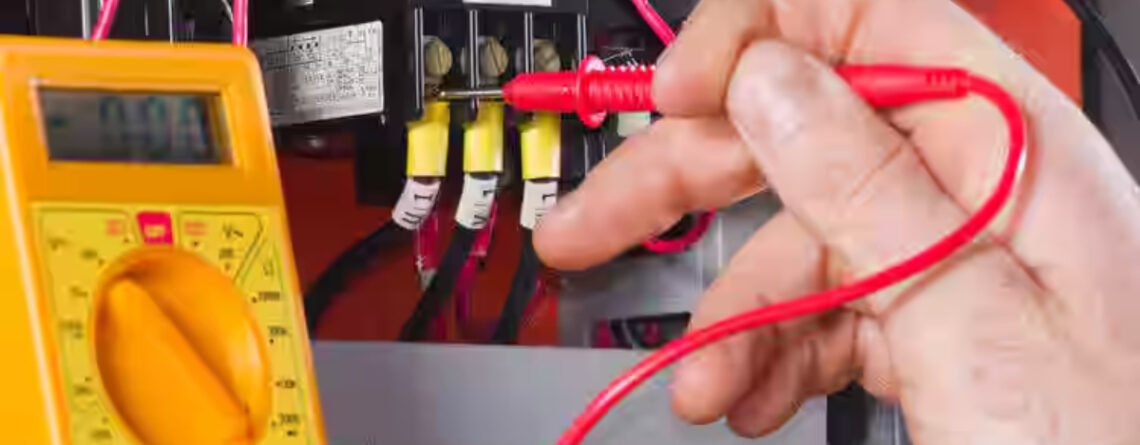
Why electrical quick fixes are dangerous?
In Pakistan, ‘jugaad’ — the practice of using quick, low-cost fixes for everyday problems — may seem clever or resourceful,. From fixing a broken chair with rope to rigging a fan with old wiring, it’s part of our everyday problem-solving culture. But when it comes to electricity safety, temporary solutions can do more harm than good.
Makeshift Electrical Work
Improvised electrical connections are among the most dangerous forms of jugaad. Twisting bare wires together without proper connectors, covering exposed wires with tape, or plugging multiple high-voltage appliances into one socket using low-quality extension boards can all lead to overheating, short circuits, or even electrical fires.
These fixes are common in homes, offices, street shops, and even schools. Unfortunately, they bypass basic safety principles — no grounding, no insulation, no overload protection. The result is a fragile and unsafe system that may appear to work fine on the surface — until a spark, power surge, or accidental contact turns it into a hazard.
Bypassing Safety for Convenience
In many households and small businesses, safety devices like circuit breakers, proper earthing, or fuse systems are ignored in favour of faster, cheaper alternatives. This not only puts appliances at risk but also endangers lives. Without proper safety systems in place, even a small power surge or wiring fault can trigger a devastating incident.
Temporary fixes
Temporary fixes like putting electrical tape on exposed wires is a common sight. While they may seem like a quick and harmless solution, these makeshift repairs can be extremely dangerous.
Electrical tape is not a long-term substitute for proper insulation or wire replacement — especially when dealing with high-voltage appliances or continuous power use. Over time, the tape can loosen or wear out, leaving wires exposed and increasing the risk of electric shock, short circuits, or fire. Damaged wires should always be repaired or replaced by a qualified electrician using proper materials.
Unqualified Repairs and DIY Fixes
Many people attempt repairs themselves or call in untrained electricians who use low-quality materials and unsafe methods. While these quick, affordable fixes may seem convenient, they frequently result in safety hazards such as damaged insulation, poorly connected wires, and overloaded circuits.
To ensure safety and reliability, it is crucial to hire trained, certified electricians who follow proper safety standards, use quality materials, and perform thorough testing. Professional electricians help prevent accidents, reduce the risk of electrical fires, and ensure that installations comply with safety regulations, protecting both lives and property.
When Temporary Becomes Permanent
Perhaps the biggest issue is that jugaad solutions, meant to last “just for a while,” end up staying in place for years. A taped wire, a broken switch, or an overloaded socket becomes part of daily life — until something goes terribly wrong.
While professional solutions may cost more upfront, they prevent injury, loss of property, or worse. Electrical safety should never be compromised for the sake of convenience or cost-cutting. Jugaad may be a cultural norm, but when it comes to safety and electricity, it’s a dangerous gamble. It’s time to move from temporary fixes to permanent safety — because lives are worth more than shortcuts.





Leave a Reply