

Hidden dangers of overlooking electrical safety
Electricity powers our modern lives — from the lights in our homes to the devices we rely on every day. Yet, it’s easy to forget how dangerous it can be when safety is ignored. Overlooking electrical safety can lead to severe consequences, including property damage, injuries, and even fatalities.
Every year, several lives are lost and injures occur due to faulty wiring, using unsafe connections during rain and even touching electric appliances with wet hands. One of the most common risks is electrical fires, often caused by overloaded circuits, faulty wiring, or the misuse of extension cords. A single spark can ignite nearby materials, spreading quickly before anyone realizes what’s happening. In workplaces, neglecting electrical maintenance can result in equipment failure, costly downtime, and hazards for employees.
Electric shock is another major threat. Even minor shocks can cause burns, nerve damage, or heart complications, while higher voltages can be fatal. Many accidents occur due to simple carelessness — such as touching appliances with wet hands, ignoring exposed wires, or skipping routine inspections. The financial and emotional toll of these incidents is often far greater than the effort required to prevent them. Regular maintenance, professional inspections, and following basic safety practices — like unplugging unused devices and using certified electrical products — can drastically reduce risk.
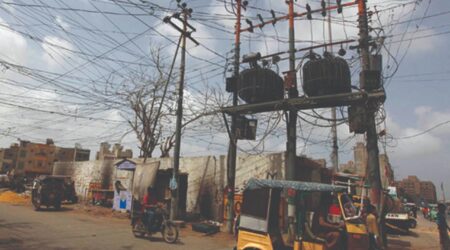
Electrical safety isn’t just a technical issue; it’s a shared responsibility. Whether at home or work, being aware and proactive can save lives and protect properties. Most accidents occur inside homes where basic precautions are ignored. Many families continue using damaged extension cords, outdated sockets, and makeshift power connections without realizing the risk involved. In many cases, these hazards could easily be prevented with simple safety practices such as keeping appliances dry, using proper wiring, and installing circuit breakers.
Experts also point out that public awareness campaigns on electric safety remain limited. Until both households and institutions take electric safety seriously, we will continue to face tragic yet avoidable accidents — caused not by ignorance, but by negligence.




Leave a Reply