
Common Electrical Safety Hazards and How to Prevent Them
Electricity powers our homes and workplaces, but it can be dangerous if not handled properly. Understanding common electrical hazards and taking preventive measures can save lives and property.
- Overloaded Circuits
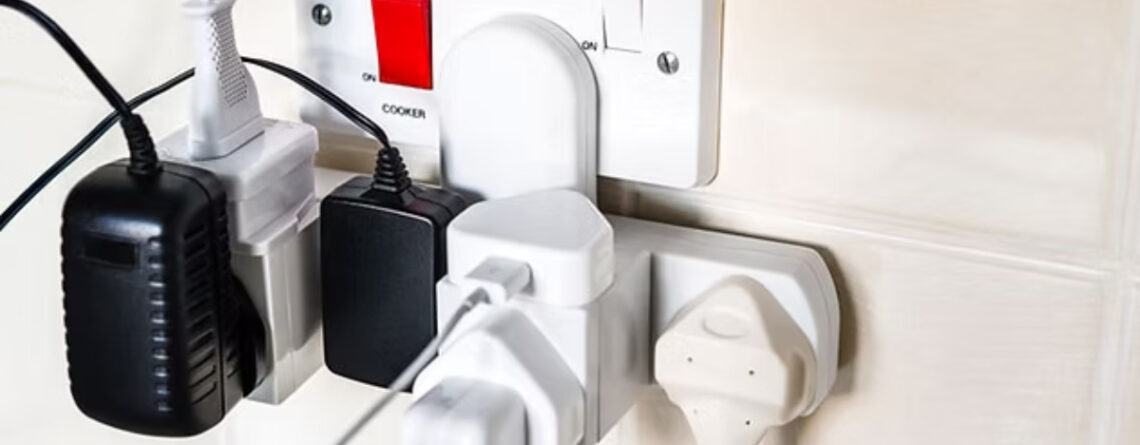
Plugging too many devices into one outlet can cause overheating and fires.
Prevention: Use multiple outlets or power strips with surge protection and avoid extension cords.
- Exposed Wires
Frayed or damaged wires can lead to electric shocks or fires.
Prevention: Regularly inspect cords and replace damaged wires immediately.
- Wet Conditions
Water and electricity are a deadly combination, increasing shock risk.
Prevention: Keep electrical devices away from water or spills.
- Improper Use of Extension Cords
Using extension cords as permanent wiring can overheat them.
Prevention: Use extension cords temporarily and choose ones rated for the device’s power load.
- Damaged Electrical Appliances
Faulty appliances may spark or short-circuit.
Prevention: Regularly inspect appliances, and unplug them if they show signs of damage
- Lack of Circuit Breakers
Homes without functioning breakers risk uncontrolled electrical surges.
Prevention: Install circuit breakers and ensure they are tested and functional.
- Overheating Electrical Equipment
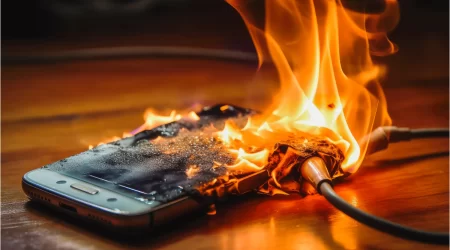
Motors, heaters, or devices can overheat and ignite.
Prevention: Allow devices to cool, avoid covering appliances, and maintain proper ventilation.
- Improper Electrical Work
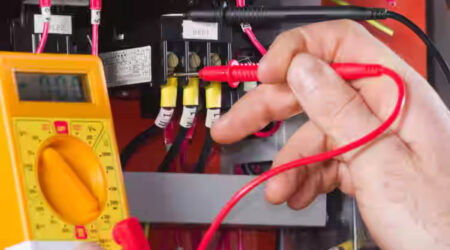
Untrained handling of electrical systems can cause severe accidents.
Prevention: Hire licensed electricians for installation, repairs, or upgrades.
Electrical safety is about vigilance and precaution. By understanding these hazards and taking simple preventive steps, you can protect yourself, your family, and your property from serious accidents.








Leave a Reply