
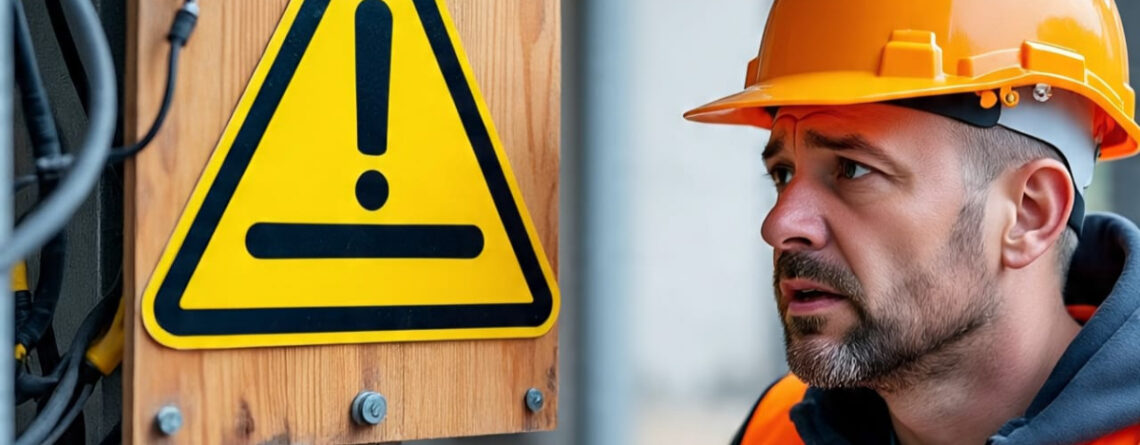
10 Reasons Why Power Theft Is Harmful
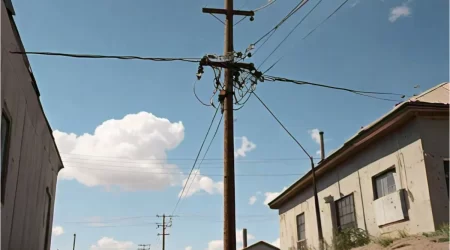
Electricity theft — through illegal connections, meter tampering, or line tapping — is a widespread problem in Pakistan. Its consequences go far beyond just financial loss.
1 Financial Strain on Utilities
Theft reduces revenue for electricity providers, making it difficult for them to maintain and upgrade infrastructure. In Pakistan, a staggering Rs585 billion worth losses are incurred due to power theft.
2 Frequent Loadshedding
Losses from theft contribute to power shortages and blackouts, affecting homes, businesses, and public services.
3 Safety Risks
Illegal connections often bypass safety standards, increasing the risk of fires, electrocution, and property damage.
4 Hindered Investment
With lower revenues, power companies struggle to invest in modern equipment and technology, slowing progress in the energy sector.
5 Circular Debt Problem
Theft exacerbates existing financial issues in the electricity system, creating a cycle of unpaid bills and mounting debts.
Unequal Energy Access
Power theft in certain areas often leads to unequal distribution, where law-abiding consumers suffer from outages while illegal users benefit.
7 Daily Economic Impact
Beyond utilities, theft indirectly affects the economy by disrupting businesses, reducing productivity, and increasing operational costs.
8 Low Recovery of Losses
Even when theft is detected, collecting payment or punishing offenders can be difficult, reducing the effectiveness of enforcement.
9 Weak Enforcement
Despite anti-theft drives, enforcement challenges and loopholes allow the practice to continue widely.
10 Social Consequences
Power theft worsens inequality and creates resentment in communities, as honest users bear the brunt of energy shortages.
Power theft is a social, economic, and safety concern. Combating it requires strict enforcement, better infrastructure, and increased awareness among citizens to protect Pakistan’s energy future.







Leave a Reply