
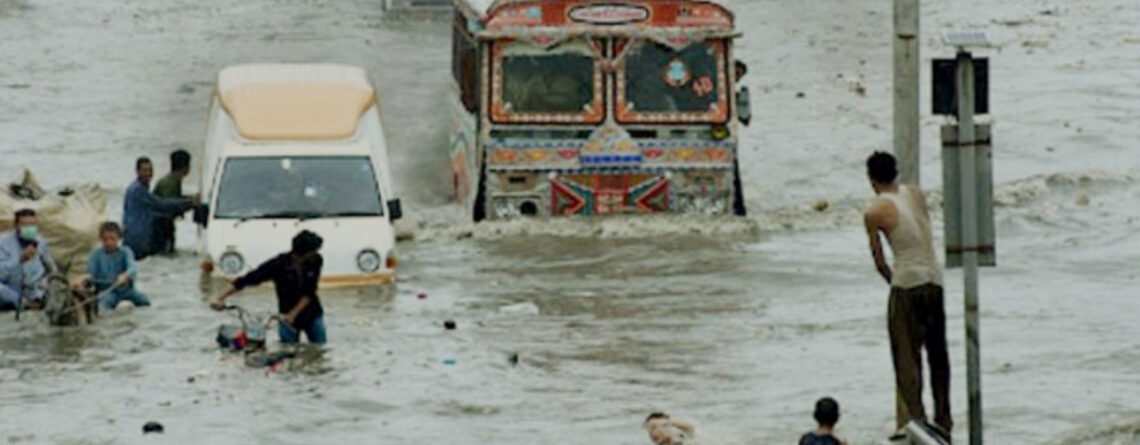
How to ensure safety during urban flooding in Karachi
Each year, Karachi finds itself grappling with a recurring crisis — urban flooding. What should be a natural seasonal occurrence often escalates into a severe humanitarian and infrastructural challenge. The persistent problem has exposed deep-rooted issues in city planning, drainage management, and disaster preparedness.
The causes of Karachi’s flooding are multifaceted. Rapid and unplanned urbanisation has severely disrupted the city’s natural drainage channels. Encroachments along nullahs, inadequate sewerage maintenance, and a lack of sustainable rainwater management systems have compounded the issue. Consequently, even moderate rainfall frequently leads to waterlogging on major thoroughfares and the submersion of low-lying neighbourhoods.
The repercussions are extensive. Flooded roads hinder mobility, strand commuters, and impede access to essential services, including hospitals and emergency facilities. Meanwhile, residents of low-lying districts face substantial property damage, contamination of potable water, and heightened health risks due to stagnant water.
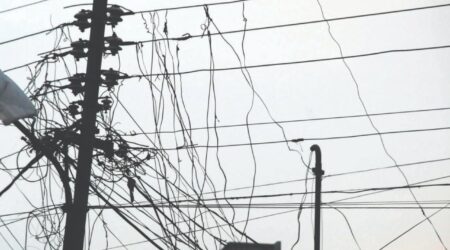
One of the most critical and often overlooked dangers during urban flooding is the risk of electrocution. As rainwater inundates streets and residential areas, exposed electrical infrastructure — such as fallen wires, damaged poles, and submerged junction boxes — becomes hazardous.
In many cases, power outages are deliberately implemented by authorities to prevent accidents, yet live wires and illegal connections can still pose fatal risks. Residents must exercise extreme caution, maintaining distance from any electrical installations or wet surfaces that could conduct electricity.
While long-term infrastructural reforms are imperative to address the root causes, individuals can mitigate risks through informed and proactive behavior.
Essential safety guidelines during urban flooding:
- Remain indoors unless leaving the premises is absolutely necessary. Floodwaters may conceal open manholes, debris, or live electrical currents.
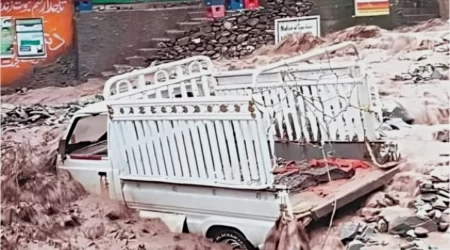
- Refrain from walking or driving through inundated areas. The depth and flow of water are often deceptive and potentially life-threatening.
- Avoid all contact with power lines, poles, or electrical equipment. Electrocution is one of the most common hazards during floods.
- Disconnect electrical appliances and switch off the main power supply if water begins entering your home.
- Prepare an emergency kit containing clean drinking water, flashlights, batteries, a first-aid kit, and essential documents secured in waterproof packaging.
- Monitor official weather and traffic updates to stay informed about high-risk zones and emergency advisories.
Urban flooding in Karachi serves as a stark reminder of the city’s infrastructural fragility. However, through collective awareness, civic responsibility, and timely precautionary measures, residents can significantly reduce the risks associated with this annual challenge. Preparedness and prudence remain the most effective tools for ensuring safety during the monsoon season.







Leave a Reply