
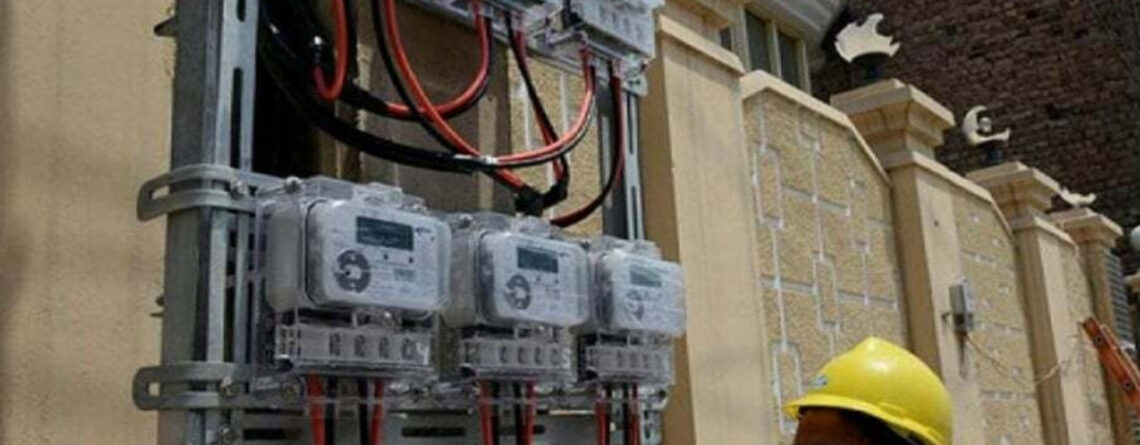
Say No to ‘Kunda’ Culture: A call for a safer Karachi
In Karachi, the heart of Pakistan’s economic engine, electricity is more than a basic utility; it powers livelihoods, businesses, hospitals, homes, and the digital future of millions.
Yet, one deeply rooted menace continues to drain the city’s progress and compromise its safety: kunda culture, the illegal tapping of electricity.
It’s time to say it loud and clear: Say no to kunda culture.
What Is Kunda Culture?
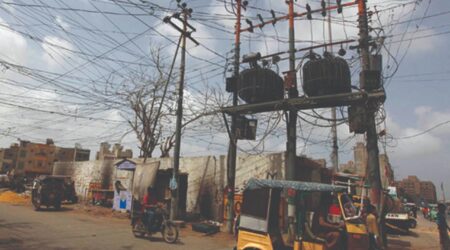
The term “kunda” refers to the illegal hooking of wires directly onto power lines or poles to bypass electricity meters. While often portrayed as a harmless shortcut or a “necessity” in underserved areas, kunda connections are anything but harmless.
They are illegal, unsafe, and unjust.
The Hidden Dangers
Many people are unaware of how dangerous kunda connections truly are. These illegal hooks or wires lack safety standards, often leading to:
- Voltage fluctuations, which damage appliances.
- Fire hazards, especially in congested areas.
- Frequent power breakdowns in entire neighborhoods.
- Electrocution risks for residents, especially children.
- Damaging the grid infrastructure and increases costs.
- Creating social inequality as burden is others.
Kunda culture not only endangers property—it endangers lives.
Economic Drain
Power theft is not a victimless act. Every stolen unit of electricity increases the burden on the national grid, reduces investment in infrastructure, and leads to load-shedding even in honest, bill-paying areas.
In Pakistan, it is estimated that power theft costs staggering economic losses of Rs. 590 billion per year. For Karachi—a city already grappling with energy challenges—the cost is immense. Industries suffer, small businesses falter, and the city’s global competitiveness declines.
Who pays for this? We all do.
Power Theft increase tariffs, maintenance costs rise, and honest consumers end up footing the bill for those stealing power. It’s an unfair system, and it cannot continue.
While it’s true that some underserved areas struggle with access or affordability, theft is never a solution. Power distribution companies are investing in infrastructure and theft worsens customer satisfaction and progress for everyone.
Kunda culture thrives not just on cables—but on silence and social acceptance. We hear things like “everyone does it,” or “why should I pay when others steal?” But this thinking creates a cycle of inequality and resentment. Real change starts with rejecting this mindset.
If we want Karachi—and Pakistan—to move forward, we must build a culture of accountability and fairness. That means:
- Educating communities on the dangers of illegal connections.
- Promoting legal access to electricity.
- Reporting theft and unsafe setups anonymously.
- Supporting power companies when they act against illegal usage.
Power theft keeps entire communities stuck in cycles of dependency, danger, and darkness. Say no to kunda culture—not just for your safety, but for your city, your future, and your country.






Leave a Reply